
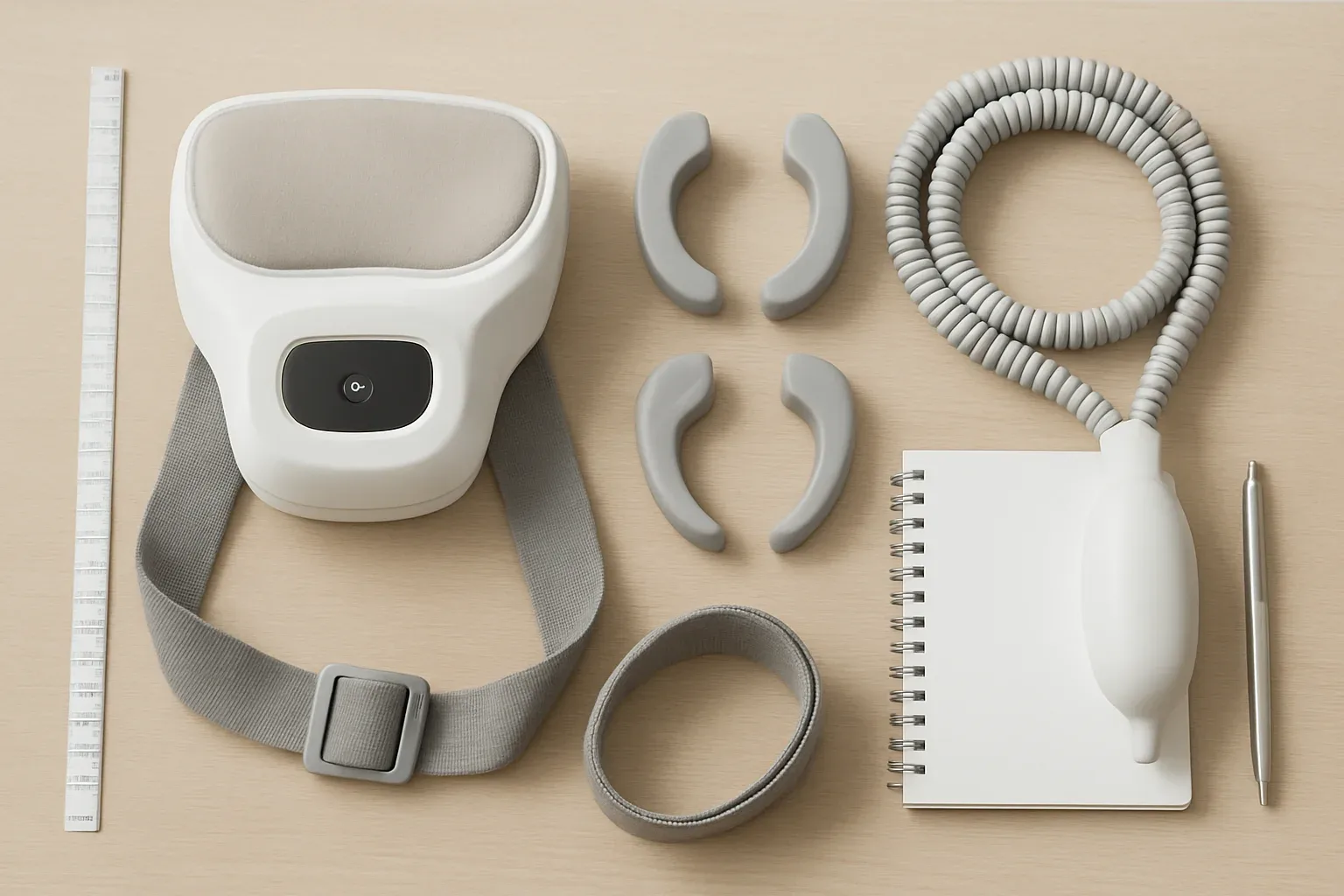
Short answer: A realistic penis extender results timeline is measured in months, not days. Some people notice small, temporary changes in the first weeks; measurable and potentially lasting changes usually require consistent daily wear over several months. Comfort, fit, and steady progression matter far more than brief sessions at high tension.
What affects a penis extender results timeline
Several practical factors determine how fast, or whether, you’ll see change:
- Device design and comfort: Better padding, adjustable tension, and secure but gentle attachment make it easier to wear regularly without interrupting use.
- Tension level: Higher force can produce faster tissue stress but raises the risk of bruising, nerve irritation, or injury. Moderate, sustained traction is generally safer than intermittent high pull.
- Daily wear time and consistency: Total hours per day and how often you wear the device matter more than occasional long sessions.
- Individual biology: Age, skin elasticity, circulation, and general health influence tissue response and recovery.
- Measurement method: How and when you measure progress (flaccid stretched length, consistent photos) affects what you record as a result.
If you’re comparing devices, our comparison chart highlights comfort and adjustability, two features that affect how consistently people can wear an extender.
What users may notice in the first few weeks
The first days and weeks are mostly about adaptation. Common early experiences include:
- Mild soreness, redness, or temporary marks where straps contact skin.
- Temporary elongation immediately after removing the device; this effect often fades within hours.
- Better tolerance as you learn to position the device and adjust tension.
- Possible minor bruising or numbness if tension is too high or fit is incorrect, stop and reassess if this happens.
Practical tips for the early phase: start at low tension for short sessions, increase wear time slowly, and keep a short log of hours worn and comfort. Avoid measuring progress immediately after removal; take baseline photos and measurements before you begin wearing the device for the day.
What studies and user reports suggest over longer periods
Published research and compiled user reports tend to show gradual, modest changes when traction devices are used consistently and comfortably over months. The biological idea is that sustained mechanical load can encourage tissue adaptation, but outcomes vary by person and protocol. For a closer look at the mechanisms and longer-term thinking, see The Science of Traction Devices: Why They Work for Permanent Gains.
Reviews and first-person reports on specific devices also highlight the importance of comfort and steady use. For example, our SizeGenetics review and Male Edge review focus on how consistent, tolerable wear produced better outcomes than pushing high tension for short periods. Other reviews in the site’s collection note that poorly fitting or painful devices often end up unused.
Why consistency matters more than high tension
Sustained, moderate traction encourages the cells and connective tissues under load to adapt over time. Short bursts of high force can either cause only temporary stretch or lead to irritation and setbacks. A better strategy for many users is gradual progression: comfortable wear most days, slowly increasing hours and, if the device allows, small increases in tension.
Real-world reasons consistency pays off:
- Fewer interruptions from pain or skin problems, so total traction time accumulates.
- Lower injury risk compared with aggressive protocols that produce downtime.
- More reliable measurements, because you’re tracking against a steady program.
How people commonly build wear time
Basic, conservative progression many manufacturers and reviewers recommend starts with short sessions and adds time weekly rather than jumping quickly to long, high-tension sessions. Comfortable, repeatable wear is the practical goal.
How to track progress without obsessing
Monitoring progress helps you stay realistic without fixating. Keep it simple:
- Pick one measurement method: flaccid stretched length is commonly used. Measure the same way each time (press ruler to pubic bone and extend to tip).
- Set a schedule: measure and photograph yourself weekly or every two weeks under consistent lighting and angle, not immediately after device removal.
- Log use: note daily hours worn, perceived tension, and any discomfort. Over time you’ll see trends rather than day-to-day noise.
- Use photos carefully: consistent background, camera distance, and a ruler in the frame reduce misleading differences.
- Watch for plateaus: gains often slow after several months; that’s normal. Plateaus can indicate you’ve reached a maintenance phase or need a modest protocol change.
| Timeframe | Typical wear & tension | Common sensations | What may show |
| First 1–4 weeks | Short sessions (low tension), building tolerance | Mild soreness, marks, temporary elongation after removal | Little measurable, mainly adaptation |
| 4–12 weeks | Longer sessions as tolerated (more consistent daily hours) | Skin adjusts; occasional discomfort if over-tensioned | Some users report small length changes; many still in adaptation |
| 3–6 months | Regular daily wear (moderate, steady tension) | Less day-to-day soreness if fit is correct | More measurable, modest changes for some users |
| 6–12 months | Maintenance or gradual progression | Plateauing is common | Further gradual gains possible but variable |
Red flags in unrealistic before-and-after claims
Marketing often overstates outcomes. Watch for these warning signs:
- Bold promises of large gains in weeks or guaranteed results.
- Before-and-after photos with different lighting, angles, distance, or grooming that make comparisons unreliable.
- Claims that there’s no discomfort at all, some mild adaptation sensations are normal.
- Advice to use very high tension or extremely long daily wear without medical warnings.
- No clear instructions, no return policy, or pressure to buy immediately.
If you notice persistent pain, numbness, hard bruising, or a significant loss of sensation, stop using the device and consult a medical professional.
For more device-focused reading and user-perspective reviews, our site has a range of first-person accounts and comparisons at https://3inchesup.com/ and the reviews collection.
Realistic expectations make the biggest difference: plan for months, prioritize comfort and consistent wear, use clear measurement habits, and be wary of any product that promises dramatic results in unrealistic timeframes.
Frequently asked questions
How long until I can expect to see results?
Expect a gradual course: many people see adaptation and temporary changes in the first weeks, while measurable, potentially lasting changes commonly take several months of consistent daily wear. Results vary by person and device.
Are gains permanent?
Permanent results are not guaranteed. Some users report lasting changes after months of consistent use, while others see temporary effects. Long-term outcomes depend on biology, protocol, and maintenance.
How should I measure progress?
Use one consistent method such as flaccid stretched length, measure at the same time of day, and take photos from the same angle with a ruler visible. Measure weekly or every two weeks to track trends rather than daily fluctuations.
What are signs I should stop and see a doctor?
Stop if you experience persistent or worsening pain, numbness, hard bruising, or loss of sensation. These can indicate injury and should be evaluated by a medical professional.