
X4 Labs Extender Review: My Experience That Went From Hopeful To Painful
Writing this X4 Labs Extender review is not easy because my experience was nothing like I had imagined. I had high expectations when I first ordered it. The product looked professional, the website seemed trustworthy, and I had read a few positive reviews that made it sound safe and reliable. I wanted to believe it could help me see some gradual improvement, just like many people claimed. Unfortunately, what started as hope quickly turned into a painful mistake. Instead of progress, I ended up dealing with discomfort, bruising, and even a doctor’s visit. I learned the hard way that not all extenders are built the same and that safety and comfort should never be ignored.
Why I Decided To Try X4 Labs Extender
Like many men, I had heard about traction-based devices and how they were supposed to encourage gradual growth through consistent stretching. It sounded logical, even scientific. I spent weeks comparing different brands, and X4 Labs kept coming up in search results. Their website mentioned medical-grade materials, comfort systems, and high satisfaction rates.
I didn’t want to waste money on cheap knock-offs, so I thought going for a well-known name would be the smarter choice. I ordered the full extender kit, believing I was investing in something safe and effective. The promise of comfort and control convinced me that it was worth a try.
My First Impression When It Arrived
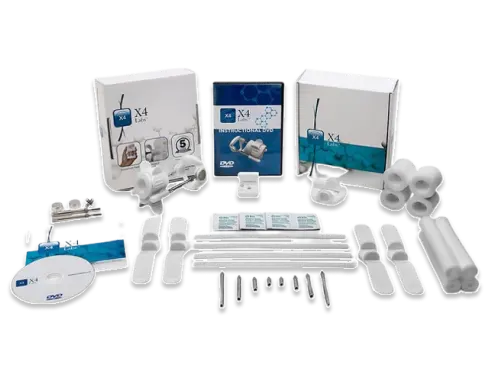
When the box arrived, it looked decent enough. The packaging was neat, and everything was arranged properly. The device included adjustable rods, comfort pads, silicone straps, and some instructional papers.
At first glance, it seemed solid. The rods were made of metal, and the strap felt flexible. I thought I was getting something designed with care. The instructions, though, were not very clear. They were generic, and the diagrams were small and confusing. I watched a few online tutorials to understand how to assemble it properly.
The First Few Tries
The first session went better than expected. I used it for about an hour on low tension, and there was no pain. I felt a bit of pressure, but that was normal. Encouraged by that, I continued daily sessions.
Within a week, I tried increasing the tension slightly. That’s when problems started. The device didn’t seem to hold the same tension evenly, and one of the rods would occasionally slip slightly during use. I assumed it was user error and tried to fix it by adjusting the strap.
Unfortunately, the strap design didn’t feel secure. It pressed against one area more than the other, and I noticed redness after removing it. I thought it would go away with time, so I ignored it. That turned out to be a mistake.
When Discomfort Turned Into Pain
After about two weeks of use, I started feeling sharp discomfort during my sessions. I adjusted the tension again and made sure the device was balanced, but the problem persisted. It wasn’t just pressure—it was pain, especially around the base and the underside.
One evening, while wearing it for a little over two hours, I felt a sudden sting. I removed the extender immediately and saw visible marks and mild swelling. I panicked but hoped rest would fix it. I took a break for two days, applied a cold compress, and waited. The swelling went down a bit, but the tenderness remained.
When I tried using the device again, even at lower tension, the discomfort came back within minutes. That’s when I realized something wasn’t right with how the extender distributed pressure.
The Day It Went Wrong
The turning point came during my fourth week. I decided to give it one last proper session, thinking maybe I had just been too cautious. I wore it with moderate tension and set a timer for an hour.
Thirty minutes in, I felt a burning sensation near the strap area. When I removed the device, I noticed bruising and what looked like broken capillaries. The skin felt raw, and there was swelling around the base. I stopped everything immediately and decided to see a doctor the next day.
Visiting the Doctor
At the clinic, I explained the entire situation. The doctor wasn’t surprised. He said he had seen similar injuries from people using poorly balanced traction devices. He confirmed that I had mild tissue inflammation and minor bruising but no lasting damage, thankfully.
He advised complete rest for at least a few weeks and told me to avoid any pressure on the area. He also explained that devices without proper support or uneven strap pressure can easily cause micro-tears and circulation issues. Hearing that made me realize how lucky I was that it hadn’t become worse.
He prescribed a topical cream for healing and recommended gentle massage after a few days. It took almost two weeks for the pain and discoloration to fully go away.
What Went Wrong With The Device
Looking back, I believe the problem came down to design flaws. The strap that holds the head in place was too rigid and unevenly distributed tension. It would press harder on one side, cutting circulation slightly. The rods also didn’t stay locked properly when adjusted, which created uneven pulling during longer sessions.
The overall structure looked fine but didn’t feel ergonomic. It was as if the device was designed without enough testing for real comfort. I followed the manual carefully, so I know it wasn’t just user error. The device simply didn’t offer the kind of control and support that’s necessary for safe traction training.
The Frustration Of Lost Progress
What made it worse was the time and effort I had already put in. I had followed the schedule, cleaned the device regularly, and taken breaks responsibly. Yet, I ended up having to stop entirely.
Even after recovering, I couldn’t bring myself to use it again. The idea of risking another injury wasn’t worth it. The small gains I had noticed early on faded away after a few weeks of inactivity. It felt like all that effort had gone to waste.
Comparing With Other Options Later
After recovering, I started researching again, this time focusing more on comfort and safety. That’s when I realized that newer extenders have better tension control systems and padding. Some even have dual support straps that evenly distribute pressure to prevent circulation issues.
Compared to those, X4 Labs seemed outdated. The design felt stuck in the past, and the so-called “comfort” strap was anything but comfortable. I realized that what I had experienced wasn’t rare—several users online had similar complaints about discomfort and poor fitting.
What I Learned From The Experience
This whole experience taught me a few valuable lessons:
- Comfort and safety matter more than brand reputation.
- Just because a product has been around for years doesn’t mean it’s still the best.
- Always listen to your body. Pain is never “part of the process.”
- Consult a medical professional before and after using traction devices, especially if you experience irritation or swelling.
If I had known these things earlier, I would have avoided a painful and stressful experience.
Final Thoughts
This X4 Labs Extender review is not about anger—it’s about sharing what really happened. The product might work for some people, but for me, it turned into a bad experience that required medical attention. It didn’t live up to its promises of comfort or control. Instead of steady progress, I got pain, bruises, and weeks of recovery.
If you’re considering an extender, make sure you choose one that prioritizes comfort, safety, and even tension distribution. Take your time researching before committing. The wrong device can do more harm than good, and it’s not worth risking your health.
X4 Labs taught me an expensive lesson in patience, safety, and awareness. Sometimes, progress isn’t about pushing harder—it’s about choosing smarter.