
Quick Extender Review: My Painful Experience That Ended in a Doctor’s Office
Writing this Quick Extender review isn’t easy for me because it’s about a mistake I wish I could undo. When I first ordered the Quick Extender Pro, I was optimistic. The product had plenty of positive reviews online, and its marketing sounded convincing. They claimed it was a medically tested traction device that offered comfort, precision, and real results. I thought I was buying something safe and effective. But what I ended up with was a painful experience that forced me to seek medical help. What started as a confident decision to invest in myself turned into a stressful recovery that taught me more about caution than progress.
Why I Decided to Try Quick Extender Pro
I had been reading about traction-based extenders for a while before making a purchase. I wanted to improve my confidence and thought a gradual, scientific method would be better than risky shortcuts. Quick Extender Pro stood out because of how professional it looked. Their website mentioned medical-grade materials, comfort straps, and a “double strap support system” that supposedly prevented slippage and discomfort.
I convinced myself that it was worth trying. I didn’t expect instant results, but I did expect a safe experience. The combination of positive testimonials and sleek presentation made me believe I was choosing one of the best options on the market.
First Impressions When It Arrived
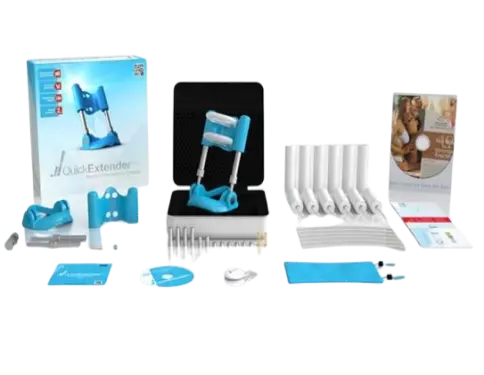
When the box arrived, it looked professional and neatly packed. The extender came with adjustable rods, straps, foam padding, and a small measuring tool. It looked solid and well-assembled. My first thought was that it seemed reliable and easy to use.
The manual was short but lacked the kind of detailed safety instructions I was hoping for. It mostly repeated marketing points about “comfort” and “results.” Still, I assumed it couldn’t be too complicated to use. After all, this was supposed to be a medically supported product.
My Early Experience
The first few sessions went smoothly. I started with low tension and short durations, about an hour a day. It felt tight but tolerable. The strap design was a bit tricky to adjust, but after a few tries, I managed to find a position that didn’t hurt.
For the first week, I thought it was going well. I felt some stretching, which I took as a positive sign. By the second week, I decided to increase the tension slightly, just as the manual suggested. That’s when the problems started.
The strap began to dig into the skin near the head, and the pressure felt uneven. I tried readjusting several times, but it never sat comfortably for long. I noticed redness after removing it but brushed it off, thinking it was part of the process.
When Things Started Going Wrong
During my third week, I pushed a bit too far. I wore the device for almost two hours at moderate tension. Midway through the session, I felt a sudden sting and burning sensation. I immediately removed it and noticed visible marks where the straps had pressed down. The skin was red and slightly swollen.
I rested for a couple of days, thinking it would heal quickly. The swelling reduced a little, but the tenderness didn’t go away. When I tried using the device again, even at lower tension, the pain came back immediately. That’s when I realized this wasn’t a temporary irritation. Something wasn’t right with how the extender distributed pressure.
The Day It Got Worse
One afternoon, I decided to give it one last proper session, hoping I had just been too cautious earlier. I wore it with minimal tension, thinking that would be safe. After about forty minutes, I felt a sharp pinch followed by a dull ache. When I removed it, the area was discolored and sore to the touch.
The strap had left deep impressions, and the swelling was more pronounced this time. I panicked, realizing this wasn’t something that would heal on its own. That evening, the discomfort increased, and I decided to see a doctor the next morning.
Visiting the Doctor
At the clinic, I explained everything. The doctor wasn’t surprised—apparently, injuries from poorly designed extenders were more common than I thought. After examining me, he said there was localized tissue inflammation and a bit of bruising, likely caused by uneven tension and restricted circulation.
He reassured me that it wasn’t permanent damage but emphasized that I needed to stop using the device immediately. He prescribed a mild anti-inflammatory cream and recommended warm compresses to help with the swelling. He also warned me to avoid using any similar device for at least a month to allow complete recovery.
The doctor explained that devices that rely on tight straps can easily create uneven pressure, which cuts blood flow and leads to bruising or tissue irritation. Hearing that made me realize I had trusted marketing more than actual medical guidance.
The Recovery Period
It took nearly three weeks before everything went back to normal. The pain subsided after a few days, but the sensitivity remained for longer. I had to be careful even with normal activities.
Those weeks were frustrating. I had gone from feeling hopeful to anxious. I kept replaying the experience in my head, wondering what I could have done differently. The truth is, I followed the instructions. The problem wasn’t user error—it was a flawed design that prioritized tension strength over safety and comfort.
What Went Wrong with Quick Extender Pro
After recovering, I inspected the device again to understand what caused the issue. The double strap system looked impressive on paper, but in reality, it concentrated pressure unevenly across the head. The straps were thin and stiff, which caused localized compression.
The adjustment mechanism also wasn’t as smooth as advertised. The rods didn’t always stay locked in place, which made the stretch inconsistent. That inconsistency caused the device to shift slightly during wear, leading to friction and uneven tension.
It looked like a professional-grade product but functioned like a rushed prototype. The more I analyzed it, the more I realized the design wasn’t suited for long-term wear, especially for beginners.
Comparing with Other Options Later
Once I fully healed, I started reading about other users’ experiences. I found that I wasn’t alone—several people mentioned the same problems: discomfort, pressure marks, and even bruising. Some called the strap design “outdated,” while others said it worked only for short sessions.
I also noticed that newer extenders on the market had improved strap systems with better cushioning and even tension distribution. Compared to those, Quick Extender Pro felt outdated and unsafe. It made me realize how important proper design and ergonomics are in something you have to wear for hours every day.
What I Learned from the Experience
This experience taught me some hard but valuable lessons:
- Comfort and safety are more important than the promise of faster results.
- No device should cause pain or leave marks—if it does, it’s poorly designed.
- Medical supervision matters. Just because something is labeled “medically tested” doesn’t mean it’s safe for everyone.
- Listening to your body is crucial. Pain is a warning, not a challenge to push through.
If I had known these things earlier, I would have chosen a different product or at least consulted a professional before using one.
The Emotional Side of It
Beyond the physical discomfort, the experience affected my confidence too. I started with enthusiasm and ended up feeling regret. I had to deal with not only physical healing but also the frustration of losing trust in something I believed would help.
What made it worse was realizing that many online reviews had ignored or downplayed the safety issues. I wished I had read more critical feedback instead of relying on promotional claims.
Final Thoughts
This Quick Extender review is my honest account of what went wrong. I started with hope and ended with pain and a doctor’s visit. The product didn’t deliver the safe, comfortable experience it promised. Instead, its design caused uneven pressure and bruising that could have turned into a more serious issue if I hadn’t stopped in time.
If you’re thinking of trying a traction device, research beyond marketing claims. Read user experiences, check medical advice, and look for extenders that emphasize safety and ergonomics. It’s not worth risking injury for a few millimeters of gain.
My experience with Quick Extender Pro was a hard reminder that not all “pro” products live up to their name. Sometimes, the best progress is the one you make by walking away before things get worse.