
Andropenis Review: My Painful Experience That Ended in the Doctor’s Clinic
I’m writing this Andropenis review to share an experience I wish someone had warned me about. When I first bought the Andropenis Gold extender, I was optimistic. It looked like a high-end medical device, with gold-plated rods and professional packaging. The marketing claimed it was one of the safest and most clinically tested traction devices available. I thought I was investing in something reliable and scientifically backed. I wasn’t looking for shortcuts, just gradual and safe progress. But what I got instead was a painful lesson that left me with swelling, bruising, and a trip to the doctor. What started as curiosity for improvement turned into weeks of recovery and regret.
How I Discovered Andropenis Gold
I first heard about Andropenis from a fitness forum. Someone had mentioned it while discussing men’s health tools, and the way they described it made it sound almost clinical. I did my research and found that it had been on the market for years. The website looked professional, featuring claims of medical approval and endorsements from supposed experts.
What really sold me was the design. It looked like a premium product with gold-plated rods and adjustable components. The presentation gave me confidence. It didn’t look like a cheap device from a random manufacturer. I read through the testimonials and convinced myself it was a legitimate option. After weeks of consideration, I decided to buy it, hoping it would deliver gradual results without side effects.
First Impressions When It Arrived
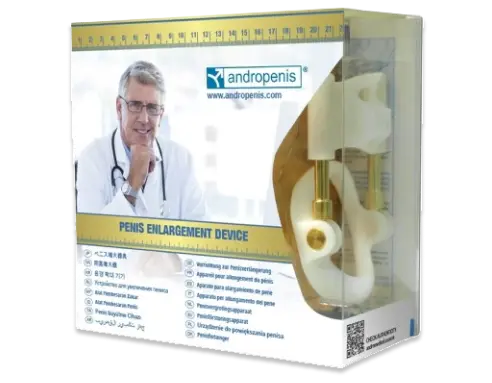
The packaging was sleek, and the contents looked impressive. The device came in a hard case with neatly arranged rods, tension springs, comfort straps, and measuring tools. The gold finish looked premium, and everything appeared to be of good quality. I remember thinking, “This actually looks like something a professional would design.”
The manual was detailed but not very specific about safety limits. It explained how to assemble the device and adjust tension but didn’t mention clear guidelines about maximum wear time or breaks between sessions. That left me guessing about how much was too much.
My Early Days Using It
I started carefully, wearing it for about an hour at low tension. The initial sessions felt manageable, though not exactly comfortable. The silicone strap was tight but tolerable. I thought slight discomfort was normal since traction involves stretching.
For the first week, things went fine. There was minor redness after each session, but it went away quickly. I took that as a sign that I was using it correctly. Encouraged by early signs of tolerance, I decided to increase both the tension and wear time. That decision turned out to be a mistake.
When Problems Started
By the second week, I had increased my daily usage to around three hours. The pressure felt stronger, but I assumed that was necessary for progress. I began noticing that the strap pressed harder against one side, leaving a red line after every session. I loosened it slightly, but the mark persisted.
One evening, after wearing it for nearly three hours, I felt a sudden sting followed by numbness. When I removed the device, the skin was swollen, and there were visible impressions from the strap. I panicked but convinced myself it was temporary irritation. I decided to skip a day and rest.
The next day, the swelling went down a little, but there was lingering tenderness. I tried using the device again, this time for only an hour at lower tension. The discomfort returned within twenty minutes. That’s when I knew something wasn’t right.
The Day It Got Worse
A few days later, I made one more attempt, thinking maybe I just needed to adjust the fit differently. About half an hour into the session, I felt sharp pain near the base. When I removed the device, I saw bruising and mild discoloration. The area felt warm and sore. That was the moment I decided to stop completely.
By that evening, the swelling worsened. I couldn’t ignore it anymore, so I went to a nearby clinic the next morning.
Visiting the Doctor
The doctor listened patiently as I explained everything. He examined the area and immediately pointed out that I had mild inflammation and bruised tissue caused by pressure and restricted blood flow. He said these injuries are common in people using traction devices that don’t properly distribute tension.
He advised me to stop using it immediately and prescribed an anti-inflammatory cream along with oral medication for circulation support. He also warned me to avoid any similar devices for at least a month. The good news was that the injury wasn’t severe, but he made it clear that continuing could have caused lasting damage.
Hearing that made me realize how easily a small mistake could turn serious.
The Recovery Period
It took almost three weeks for everything to heal. The swelling went away in a few days, but the tenderness and bruising lasted longer. During that time, even simple activities felt uncomfortable. I followed the doctor’s advice, used the prescribed cream, and avoided any physical strain.
What frustrated me most was how misleading the comfort claims had been. The company promoted the product as medically safe and ergonomic, but it clearly wasn’t suited for prolonged use. The strap was too tight, and the tension rods didn’t maintain stability. It felt like the product was designed more for appearance than for actual comfort.
What Went Wrong With The Device
Looking back, I can pinpoint a few key flaws in the Andropenis Gold design:
- The strap system used a thin silicone loop that applied pressure unevenly, especially during long sessions.
- The tension adjustment felt inconsistent, often slipping slightly, which created sudden pressure changes.
- The gold plating, while visually appealing, added weight without improving function.
- The base ring felt narrow, causing extra compression at the base.
All these small issues combined to create a product that looked high-quality but performed poorly in real use. It wasn’t about my technique—I followed the instructions. The design simply didn’t prioritize safety and ergonomics.
The Emotional Impact
What made the experience worse was the frustration of wasted effort. I had spent good money and genuine hope on something that ended up injuring me. It affected my confidence, not because of the physical injury alone but because I felt foolish for trusting the brand’s claims.
For weeks, I couldn’t stop thinking about how preventable it all was. If the product had better guidance, clearer warnings, or a safer strap system, this could have been avoided. Instead, I had to spend extra time and money on treatment for something that was supposed to help me.
Comparing It to Other Products
After recovering, I started looking at other extenders just to understand what went wrong. I found that newer models from other brands focused heavily on comfort systems with padding, adjustable base sizes, and improved tension control. Compared to those, the Andropenis Gold felt outdated.
I also came across several online reviews mentioning the same issues—uneven pressure, poor strap design, and risk of circulation problems. It was frustrating to realize I wasn’t the only one.
What I Learned From This
This experience taught me that:
- A product’s reputation or appearance doesn’t guarantee safety.
- Discomfort should never be ignored when using any kind of traction device.
- Medical supervision is essential, even for products marketed as clinically tested.
- Progress is pointless if it comes at the cost of injury.
If I had known what I know now, I would have chosen a more modern and safety-focused device, or at least consulted a medical professional before starting.
Final Thoughts
This Andropenis review is my honest account of a painful experience that turned into an important lesson. The product promised safety and comfort but delivered the opposite. The design flaws and poor tension control led to discomfort, bruising, and a medical visit that could have been avoided.
I wouldn’t recommend it to anyone, especially beginners. The risk outweighs any potential benefit. If you’re considering a traction device, choose one that prioritizes comfort, safety, and even tension distribution. Always start slow, take breaks, and listen to your body.
The Andropenis Gold looked like a premium, reliable product, but in practice, it caused more harm than progress. It reminded me that not everything that shines is worth trusting—sometimes the most impressive-looking tools can cause the deepest regrets.